What we do
Careful work that reveals the landscape you already have.
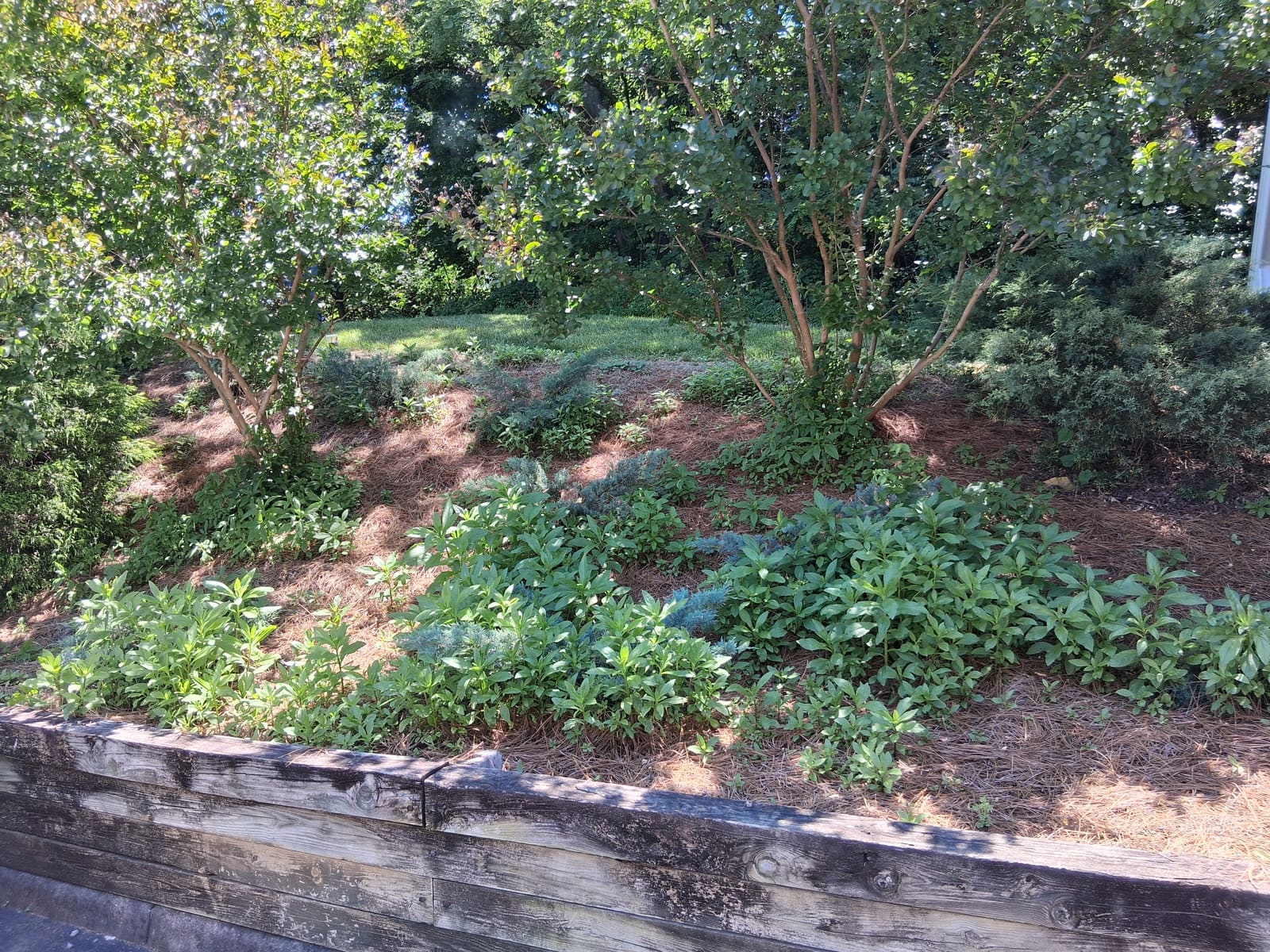
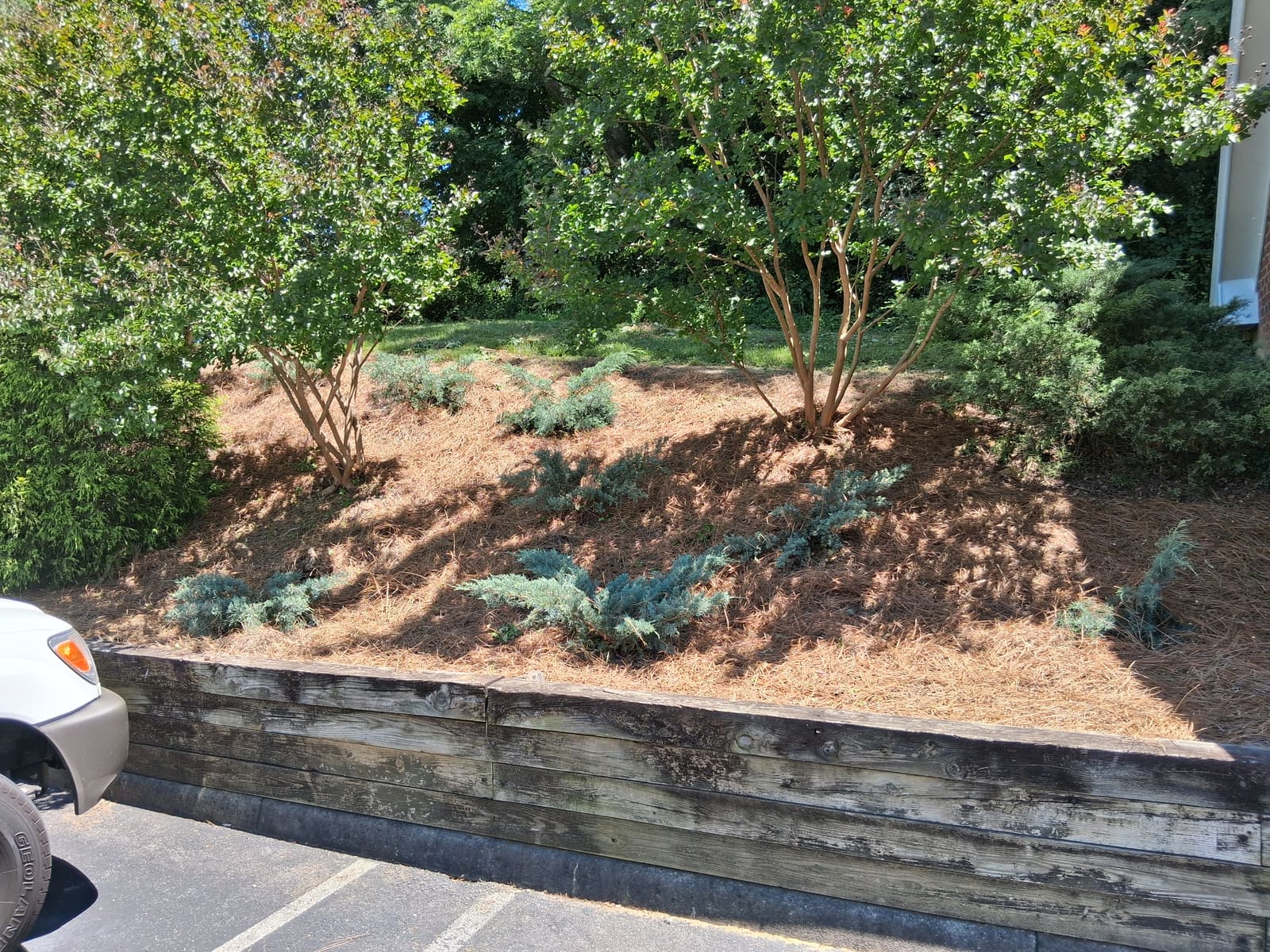
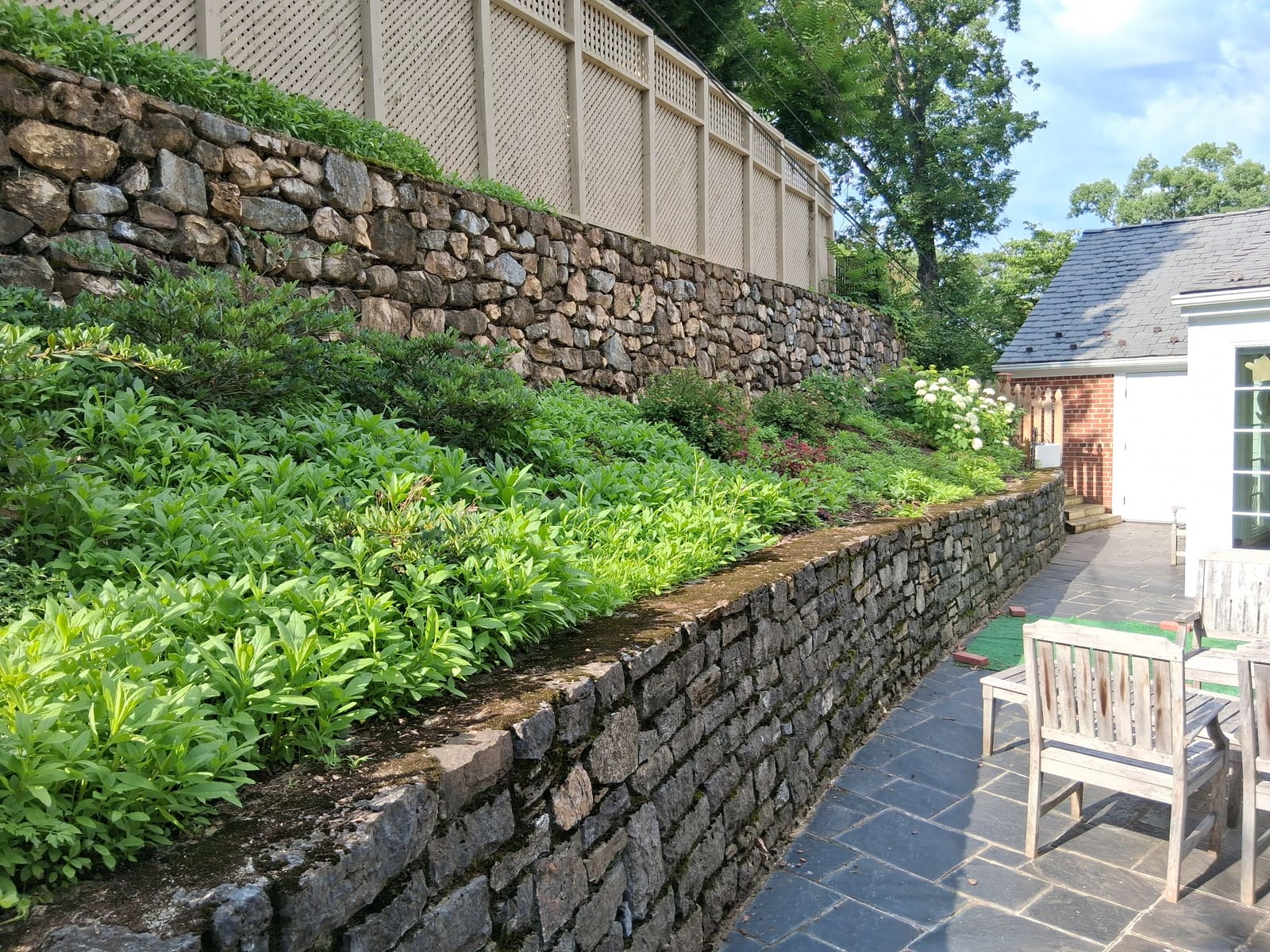
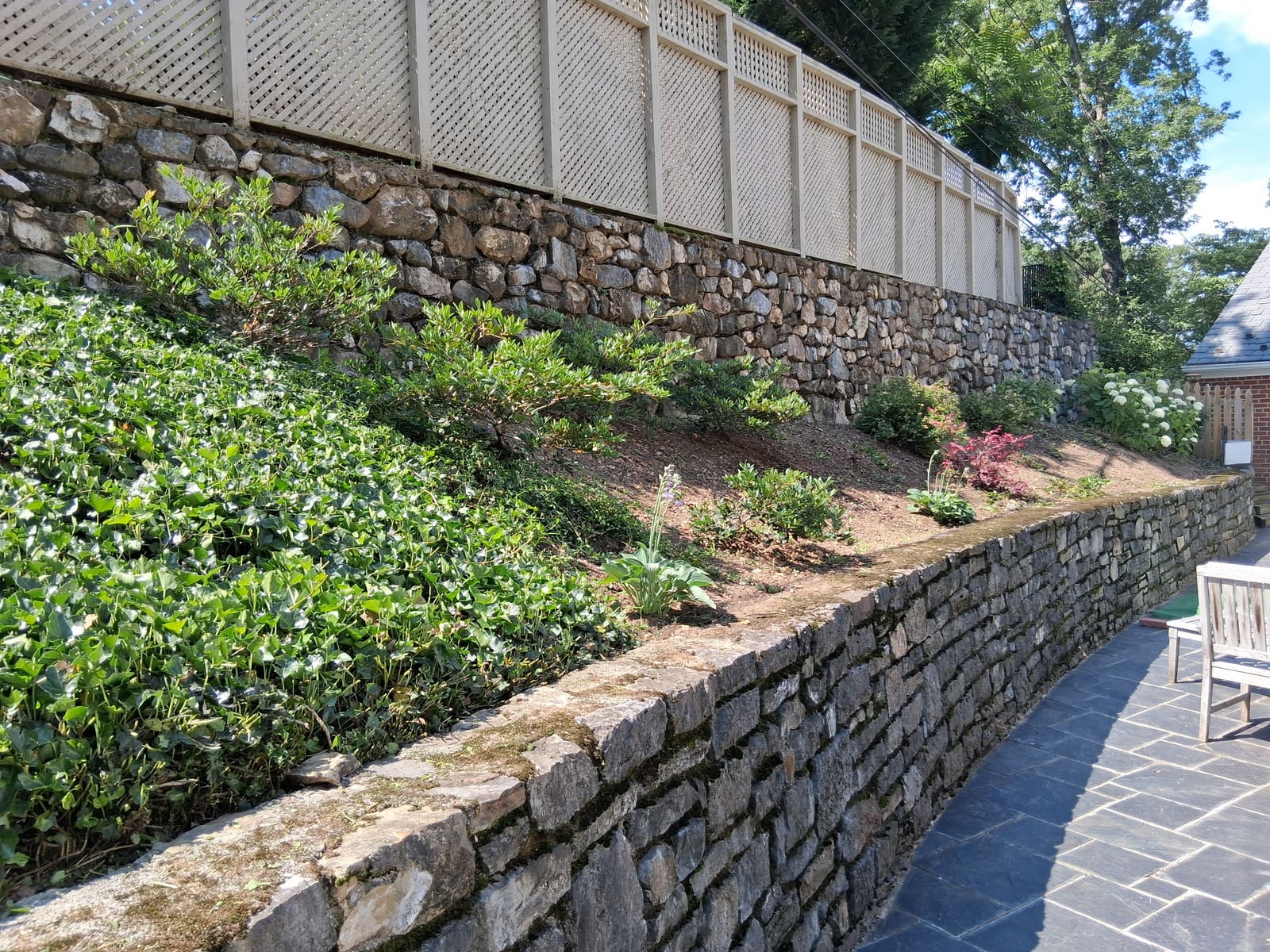
Every property already has a landscape. Existing plants, established beds, intentional design — all of it gets buried under weeds, softened edges, blown-in debris, and years of being overlooked. RLD brings it back without changing what’s there.
Weed Removal
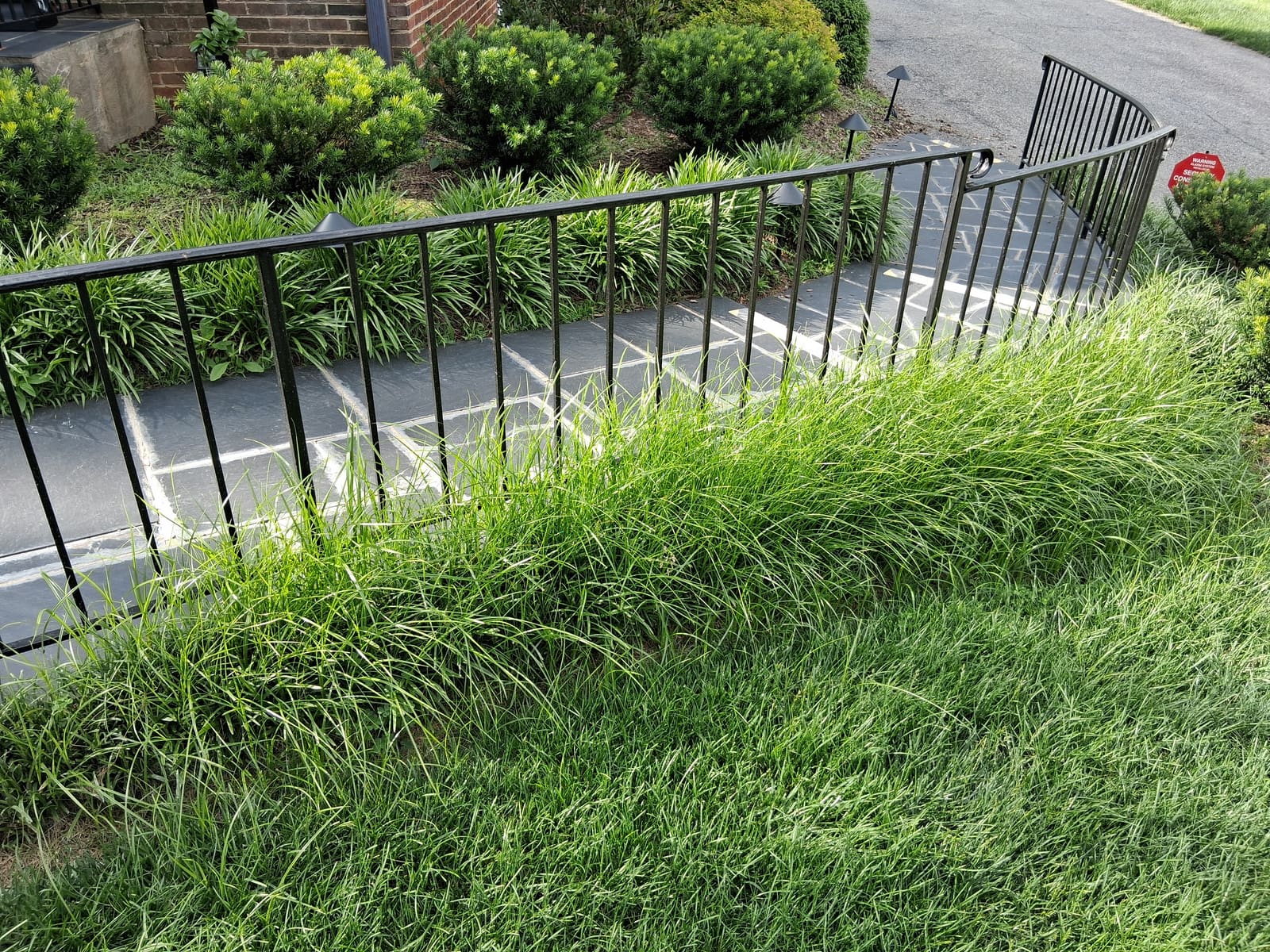
Not all weeds are the same, and not all of them come out the same way. Shallow-rooted annuals pull cleanly by hand. Deep-rooted perennials like dandelions and thistle need a tool to get the taproot — otherwise they’re back in two weeks. Grass that has crept into the bed from the edges requires a different approach than clumping weeds in the middle of a mulch bed.
We work through the bed methodically — hand pulling, hand tools, and string trimming where appropriate. The focus is on getting the root, not just the top. Fast weed removal that leaves root systems in the ground isn’t weed removal. It’s delay.
Volunteer saplings, vines, and ground cover that has pushed into areas it doesn’t belong are also addressed as part of this work.
We do not use blanket chemical treatments as a standard approach. Targeted treatment is used selectively where it makes sense for the specific conditions.
Bed Detailing
This is the service most people can’t name but immediately notice when it’s been done. After the weeds are out, the bed still needs work before it looks right.
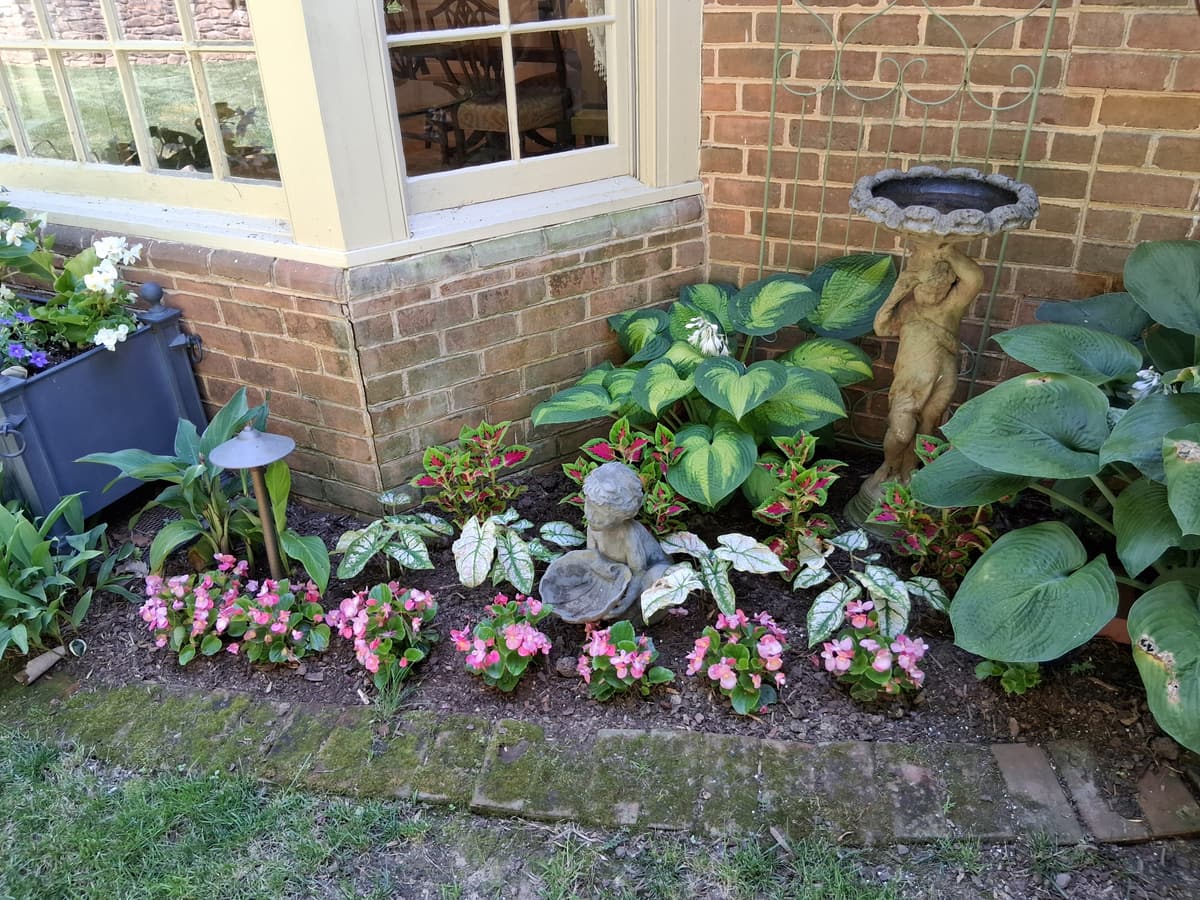
Bed detailing includes cleaning debris, clippings, and leaf matter out of the mulch surface. It includes cleaning around the base of existing plants — removing the buildup that accumulates at the crown over time. It includes uncovering ornamental plants that have been partially buried or visually lost under surrounding growth. It includes straightening and correcting the surface of the bed so it reads as intentional rather than incidental.
A mowing crew blows clippings toward the beds. A landscaper isn’t on site long enough to address it. The result is a gradual accumulation of debris and disorder that makes the beds look worse every season. Bed detailing reverses that.
This work takes time. It is done by hand, close to the ground, around existing plants. It is not something that can be done quickly without missing most of it.
Bed Definition
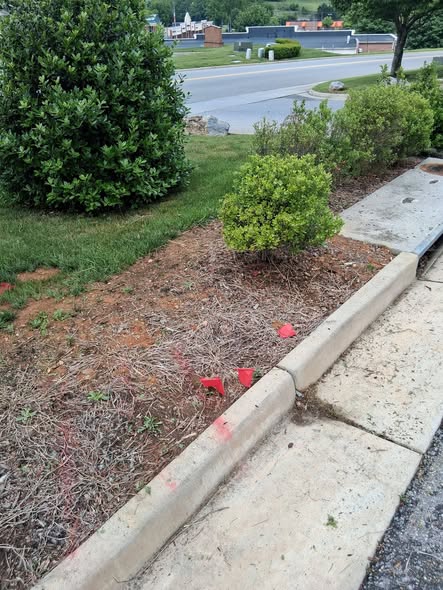
Every landscape bed has an edge — the line where the mulch ends and the lawn begins. Over time, that line disappears. Grass creeps into the bed from the lawn side. Mower blowback pushes soil and debris inward. The bed edge softens, blurs, and eventually becomes invisible.
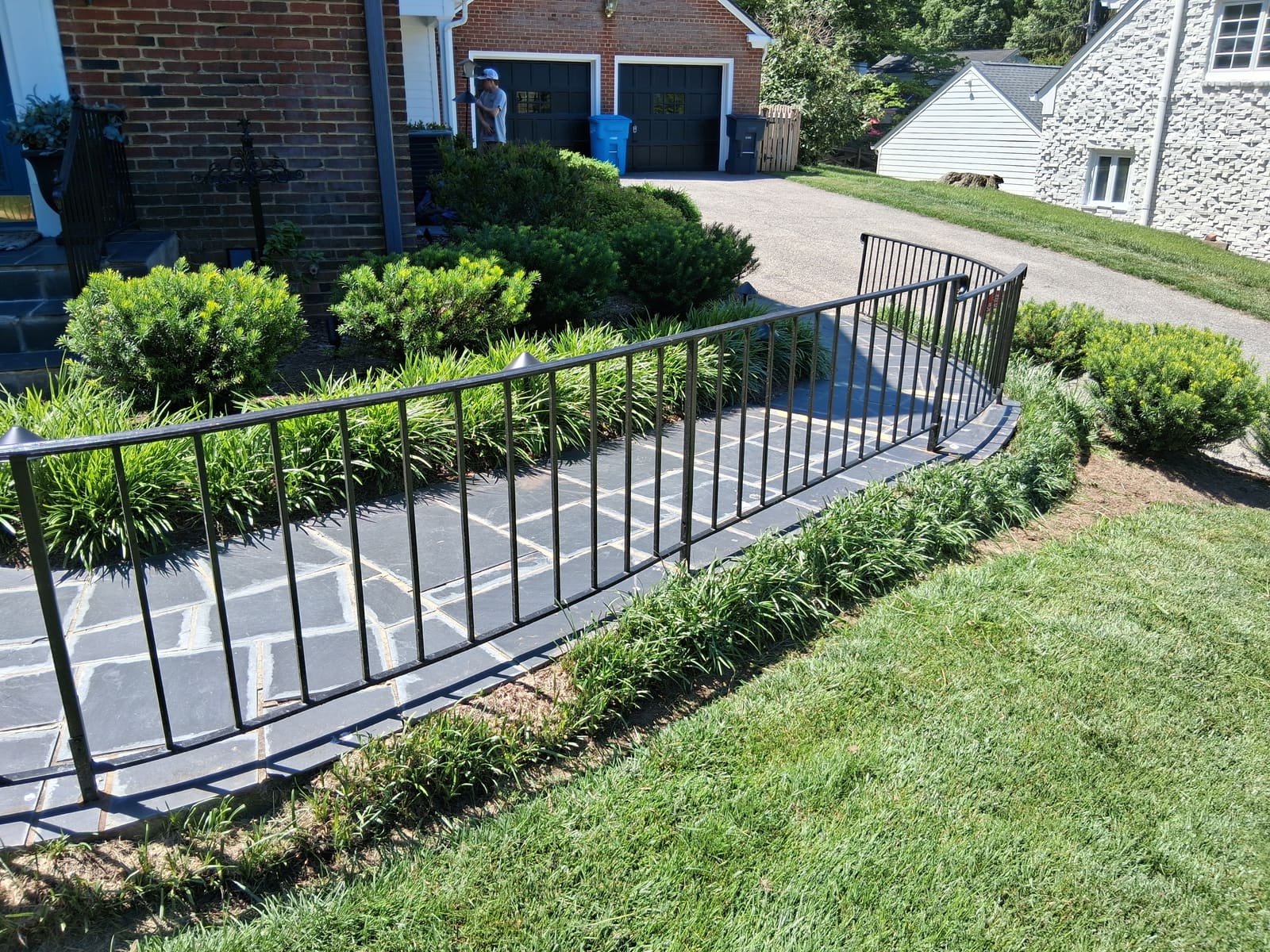
When bed definition is gone, even a clean bed looks unfinished. Restoring it is one of the highest-visibility improvements that can be made to a property without changing anything else.
Bed definition uses a flat spade or half-moon edger to recut the line between lawn and bed — creating a clean, vertical drop that separates the two clearly. The removed material is cleaned up as part of the work.
Bed definition is included where the bed edge exists and has softened. We do not create new beds or significantly alter existing bed shapes. This is restoration of what was already there.
Mulch Correction
Existing mulch breaks down over time, gets moved around by rain and foot traffic, and compacts into a surface that stops doing what mulch is supposed to do. Mowers pile it against plant crowns. Gravity pulls it to the low end of a slope. Foot traffic compacts it flat. Over a season or two it stops looking like mulch and starts looking like old dirt.
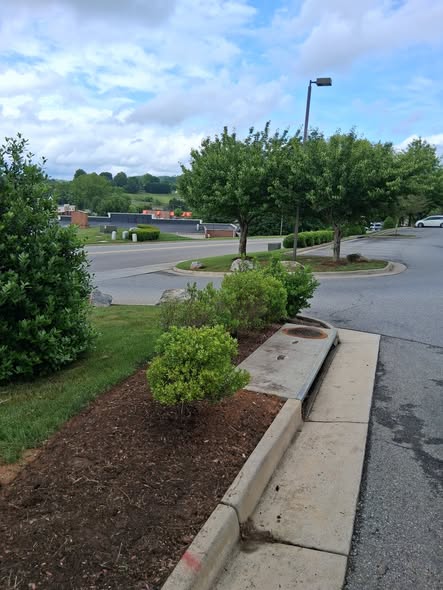
Mulch correction works the existing material back into a functional, uniform layer. This includes breaking up compaction, redistributing mulch that has migrated to the edges or low spots, and pulling it back from plant crowns and trunk bases where it has piled up. Mulch sitting against a trunk or crown traps moisture and can cause long-term plant damage — correcting this is part of the work, not optional.
The result often looks like new mulch was installed. In most cases it wasn’t — the existing material was simply restored and redistributed correctly.
Mulch correction works with the existing material. New mulch installation is a separate service that RLD does not provide. If the existing mulch has fully decomposed or is insufficient, that will be noted in the estimate.